Cover / Local content
GLocal content
Built in
the Delta
Ninety-four percent of our people are Nigerian and most are from the communities where we work. Here is how we hire, train and buy locally.
Example figures for this demo.
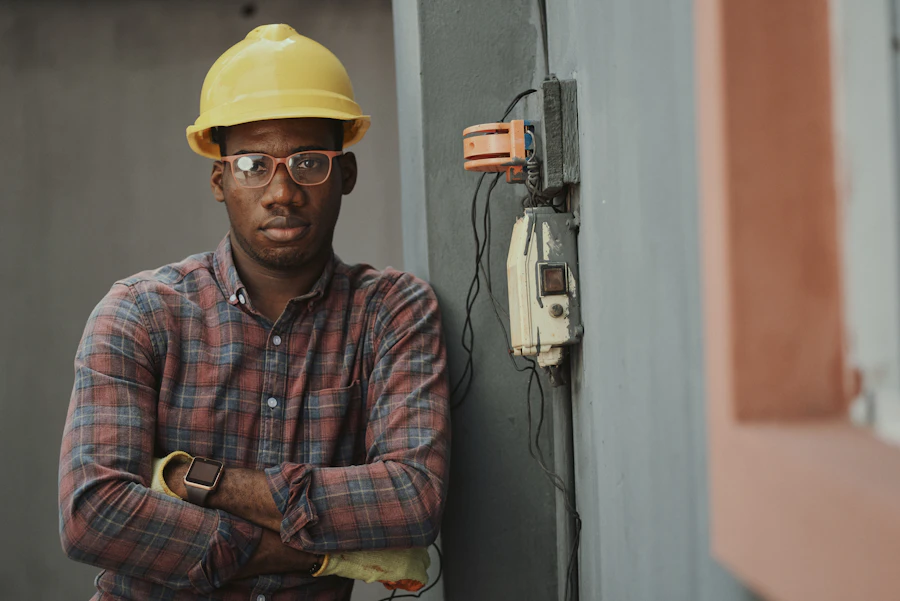
G1The Onne training room
Twelve months from school leaver to technician.
Each year 120 young people from Rivers, Delta and Bayelsa join our technician programme: three months in the training room, nine months on crews with a mentor. Most stay with us; the rest are hired by other contractors, which we count as a success too.
Courses cover rigging, scaffolding, welding, NDT basics and first aid. Trainees are paid from the first day, and transport from host communities is provided.
G2How we buy
- Local firstHost community suppliers
Catering, security, transport and small fabrication are bought from the communities around each job first.
- Nigerian nextNigerian manufacturers
Pipe coating, valves where available, PPE and consumables from Nigerian makers.
- Then importOnly what is not made here
Specialist tools and spares, with a plan to localise service where we can.
The best crew is the one that lives two creeks away.Training manager, Onne
Community relations are run by people from those communities. We agree work, training places and supplier quotas with community leaders before mobilisation and report against them every month.
Become a Summit supplier
Local fabricators, caterers, transport companies and PPE suppliers can register interest. Our vendor list opens each January.
G3Questions
How are trainees chosen?
Through community leaders and an aptitude test held in each host community.
Do you pay suppliers on time?
Our standard term is 30 days, and small community suppliers are paid in 14.
Can graduates join?
Yes, through the graduate engineer programme on the careers page.
Tell us the scope.
An engineer replies within one working day with a draft scope, crew plan and price. Live jobs: call the operations room day and night.